Development of Daily Living & Life Skills under the NDIS is a support category aimed at helping individuals with disabilities develop the skills needed to live more independently. This service focuses on building practical life skills through training, practice, and support, empowering participants to handle everyday tasks and make informed decisions about their lives. The goal is to increase autonomy, confidence, and overall quality of life.
What is the “Development of Daily Living & Life Skills”?
This NDIS-funded service provides participants with the opportunity to learn and develop essential life skills that promote independence. The training is typically tailored to each participant’s specific goals and needs, whether it involves managing personal care, cooking, budgeting, or improving communication and problem-solving abilities.
Some examples of skills that may be developed through this support include:
- Personal hygiene and grooming: Learning how to manage personal care routines independently.
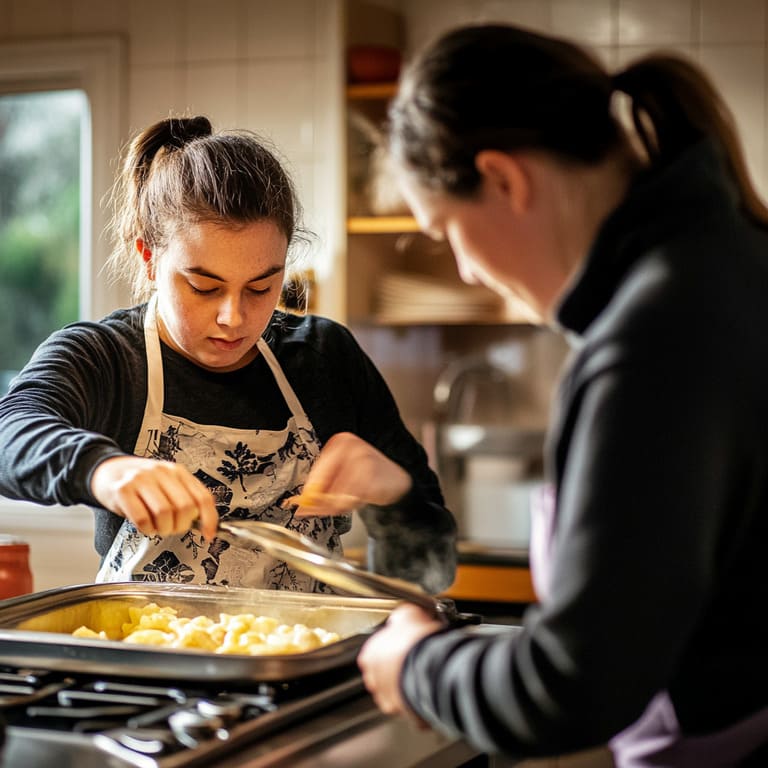
- Meal preparation and nutrition: Gaining the skills to plan, shop for, and prepare nutritious meals.
- Budgeting and financial management: Understanding how to handle finances, pay bills, and manage money effectively.
- Household management: Learning to complete everyday household tasks such as cleaning, laundry, and basic home maintenance.
- Problem-solving and decision-making: Building the confidence to make informed choices in daily life situations.
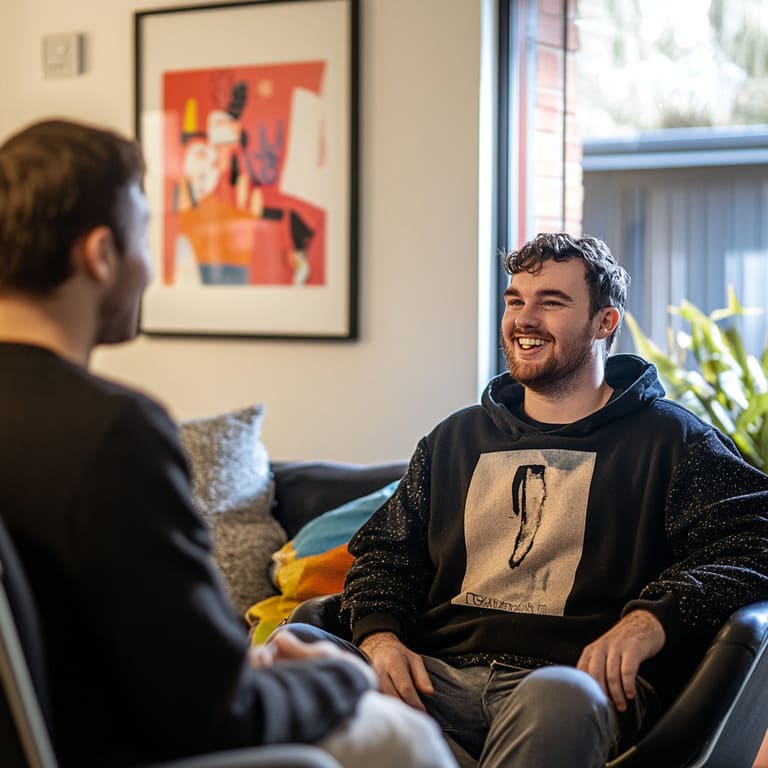
- Communication and social skills: Enhancing abilities to interact with others and maintain relationships.
These skills are fundamental to daily living and can significantly improve a participant’s ability to live independently or with minimal support.
How Does “Development of Daily Living & Life Skills” Fit into Your NDIS Plan?
This support falls under the Capacity Building Supports category of the NDIS plan, which is focused on improving a participant’s ability to live as independently as possible. The NDIS recognizes that by investing in skill development, participants can achieve long-term benefits, including greater autonomy and reduced need for ongoing support.
Your NDIS plan can include funding for daily living and life skills development if this aligns with your personal goals. A support coordinator or plan manager can work with you to identify the areas where you need support and help find service providers who can offer tailored skill-building programs.
Benefits of Developing Daily Living & Life Skills
The “Development of Daily Living & Life Skills” service provides a wide range of benefits for participants, including:
- Greater Independence: Developing essential life skills allows participants to manage their daily tasks and reduce reliance on others for support.
- Increased Confidence: Mastering new skills boosts self-confidence and empowers participants to take control of their lives.
- Improved Quality of Life: Learning to manage finances, care for oneself, and maintain a home can significantly enhance a participant’s well-being and quality of life.
- Better Decision-Making: Developing problem-solving and decision-making skills helps participants make informed choices and take responsibility for their personal goals.
- Social Inclusion: Improving communication and social skills enables participants to build stronger relationships and engage more fully in their community.
How to Maximize Your Support for Daily Living & Life Skills Development
To make the most of this NDIS-funded support, consider the following tips:
- Identify Your Goals: Think about the specific skills you want to develop, whether it’s cooking, budgeting, or improving communication. Clear goals will help guide your support plan and ensure the services you receive are tailored to your needs.
- Work with Experienced Providers: Choose providers with experience in delivering life skills training. They can offer practical, hands-on support to help you build confidence in managing your daily tasks.
- Practice Regularly: Building life skills takes time and practice. Engage in daily routines and challenges to reinforce what you’ve learned and apply new skills in real-life situations.
- Seek Feedback and Adjust: Regularly review your progress with your support coordinator or life skills coach. Make adjustments to your plan as needed to ensure you’re continuously improving and reaching your goals.
- Stay Motivated: Learning new skills can be challenging, but with persistence and the right support, you can achieve greater independence. Stay motivated by celebrating small wins along the way and focusing on the long-term benefits.
Final Thoughts
The “Development of Daily Living & Life Skills” service under the NDIS is a key tool for individuals who want to improve their independence and enhance their ability to manage daily tasks. By learning and practicing essential life skills, participants can take greater control over their personal lives and enjoy a higher level of autonomy.
If you think this service could benefit you, speak with your NDIS support coordinator or plan manager. They can help you integrate this support into your NDIS plan and connect you with the right providers to help you achieve your goals.